The Strategy Behind: Britebound’s ‘The Right Fit’
We’ve been tasked to help Britebound (re)launch their new identity this year. Here’s the behind-the-scenes look on the strategy that made the head turning work.
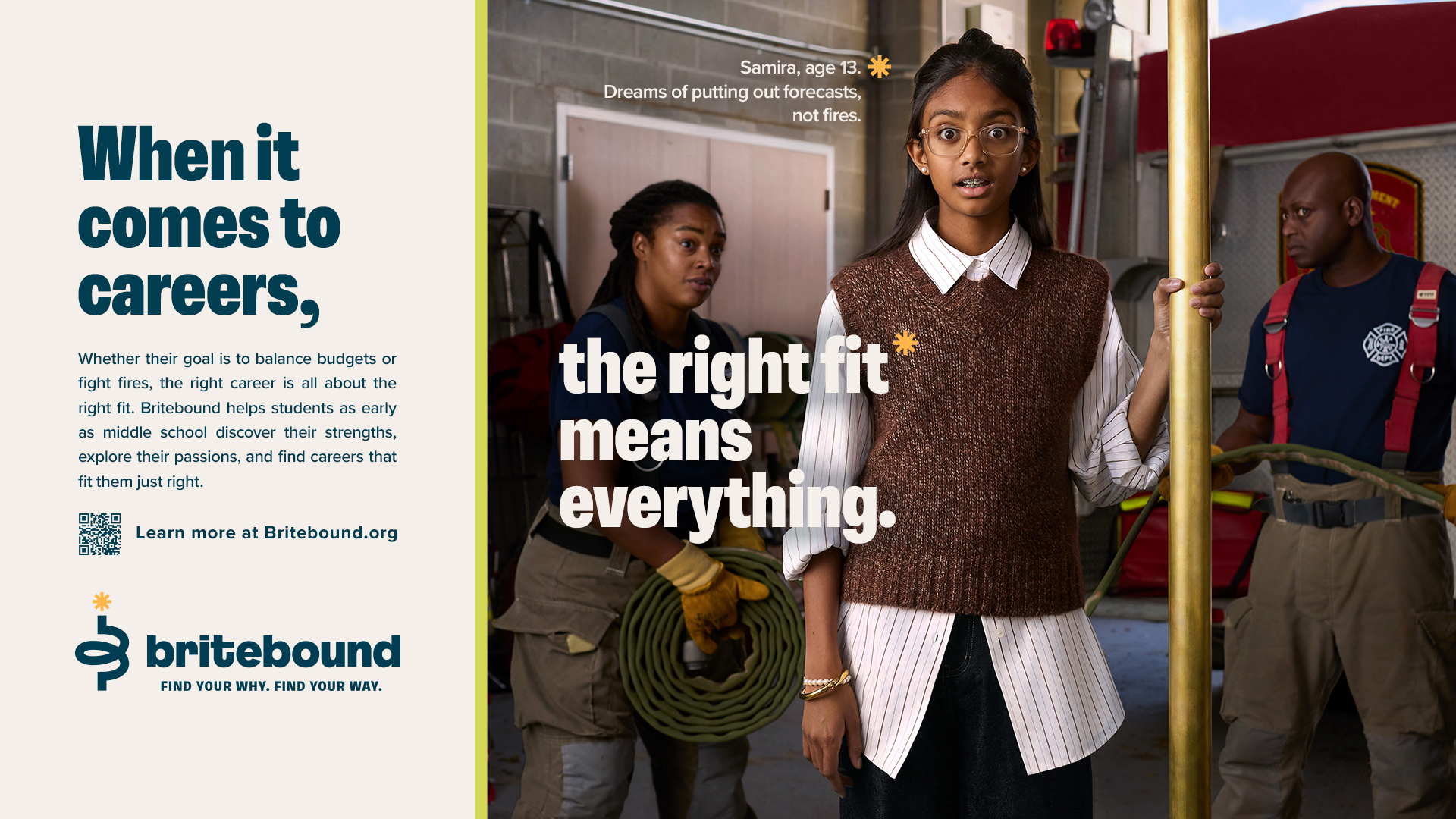
At 14, answering “What do you want to do with your life?” feels overwhelming. Every student in the U.S. faces this question—and it’s stressful for them, their parents, and teachers. Every kid is unique, and no one wants to get this decision wrong.
Enter Britebound—a national non-profit with over 60 years of experience helping students. Formerly known as American Student Assistance, they’ve partnered with policymakers, educators, and other non-profits to create better futures.
We’ve been tasked to help Britebound (re)launch their new identity this year, one that better reflects how they’re revolutionized the school-to-work journey since 2018 for every American youth. Their purpose is to inspire students to explore their passions, experiment with potential careers and help them navigate the path to their future.
Here’s the behind-the-scenes look on the strategy that made the head turning work.
The Challenge
Build nationwide awareness of Britebound and clearly explain what they do to three key audiences: partners and community groups, educators, and parents—most of whom have little to no familiarity with the brand.
The Approach
Create focus by finding the common ground between the audiences to avoid fragmentation in the campaign creative’s message. That meant speaking to the person, not just their role in a student’s life. Leading to a Human2Human not a B2B or B2C strategy around their shared desires and stressors for the students in their lives.
This led to anchoring our campaign strategy in answering one deceptively simple question: How do we better support youth’s futures?
Why? (Key Research + Observations)
– Students are nervous about what’s next: they’ve handcuffed their own aspirations due to a high degree of burn-out, stunted social growth and phone addiction, paired with worry that extraordinary incomes are required for basic security.
– Students worry about making the right decisions: 56% feel they leave college without specific job skills, 63% of students are open to paths beyond a 4 year degree and career enjoyment = #1 adulthood priority.
– Students struggle to get the help they need to plan their futures: Trusted adults have challenges in personalizing future planning for students due to lack of time and information to guide kids, especially those seeking alternative paths than a 4-year college degree.
With all this in mind, we needed to weave our strategy officially. So here was our game plan.
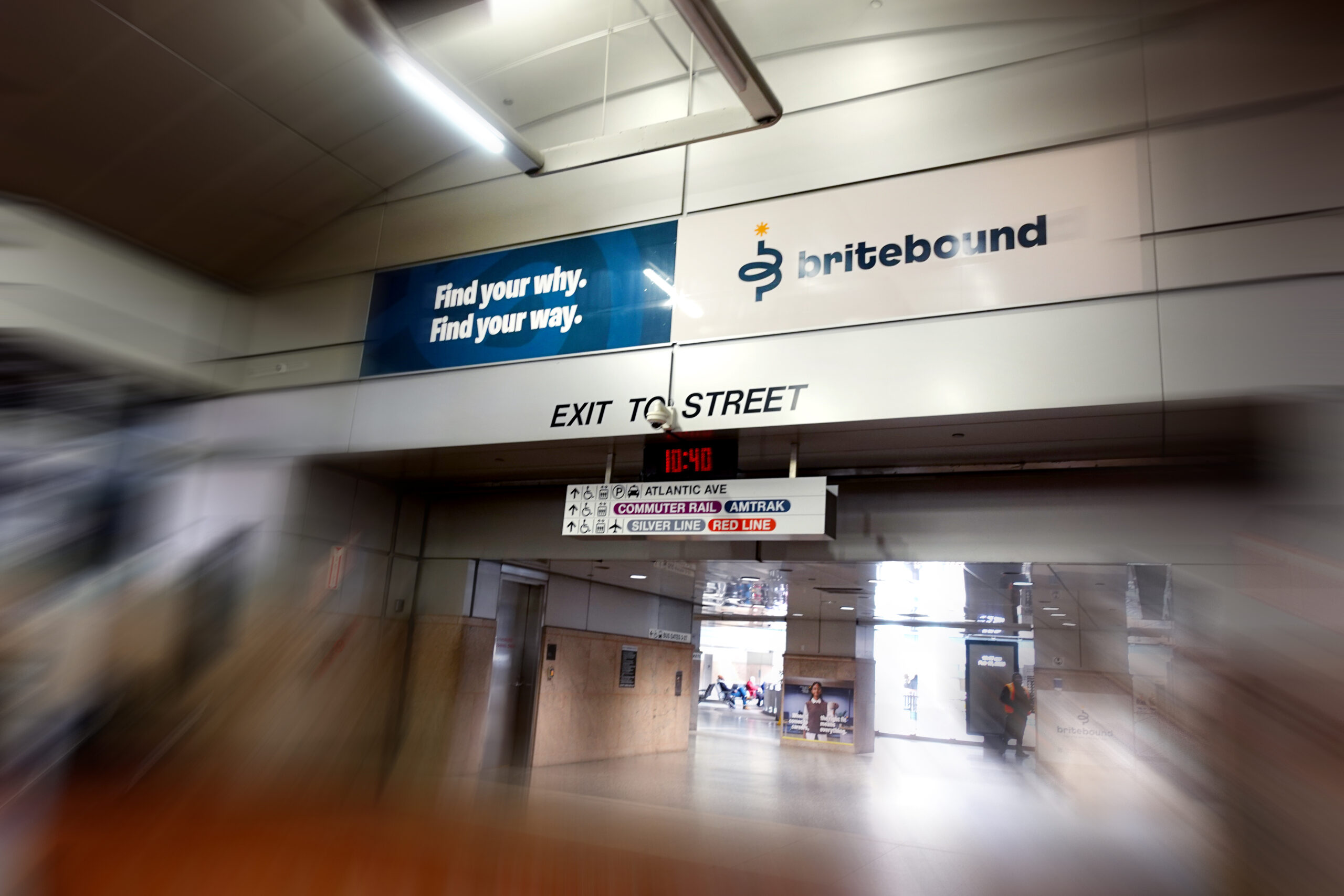
Britebound’s takeover of a Boston subway station.
Our Strategy
Problem
The problem was the feeling of anxiety and uncertainty around possible careers. Additionally, students were unsure how to achieve them to help in future decision making.
Perception
Not having a plan for a career path is a real gamble.
This perception creates a paralyzing effect. Students feel pressure to have everything figured out by junior or senior year, yet lack the tools, exposure, and support to make informed decisions
Reframe
Future proof their future.
Our campaign needed to reposition what “planning” means. Accordingly, the real gamble isn’t the absence of a plan—it’s committing to the wrong path without exploration.
Message – What does the work need to communicate?
Success is not one-size-fits-all. Find what fits.
Chiefly, trial and exploration aren’t risks—they’re essential to discovering what actually excites you. The goal isn’t to eliminate uncertainty; it’s to build confidence through discovery. We want students to find what excites them, so they know they’re making their best choice.
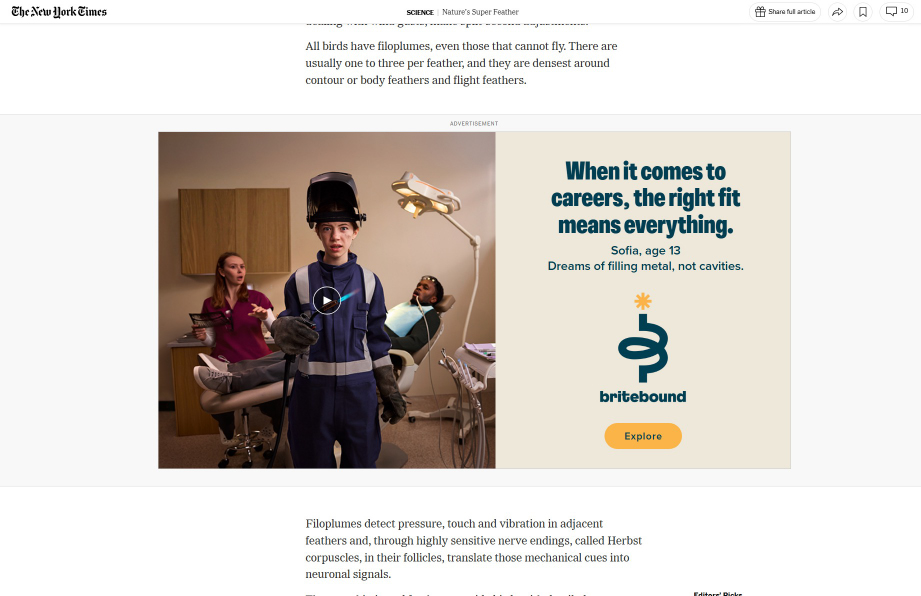
Our Creative on The New York Times, during our takeover of the site.
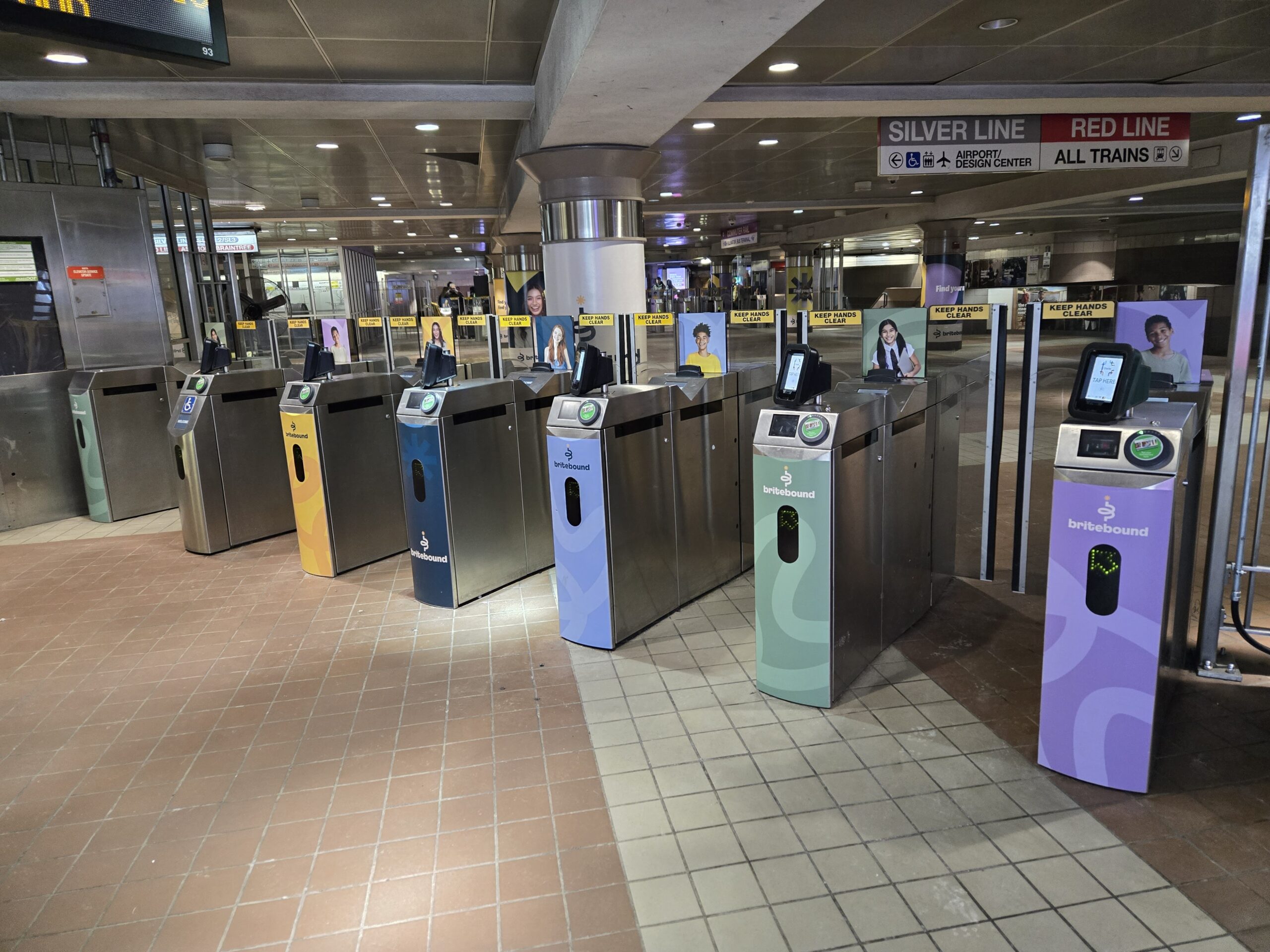
More Boston subway station takeover content.